
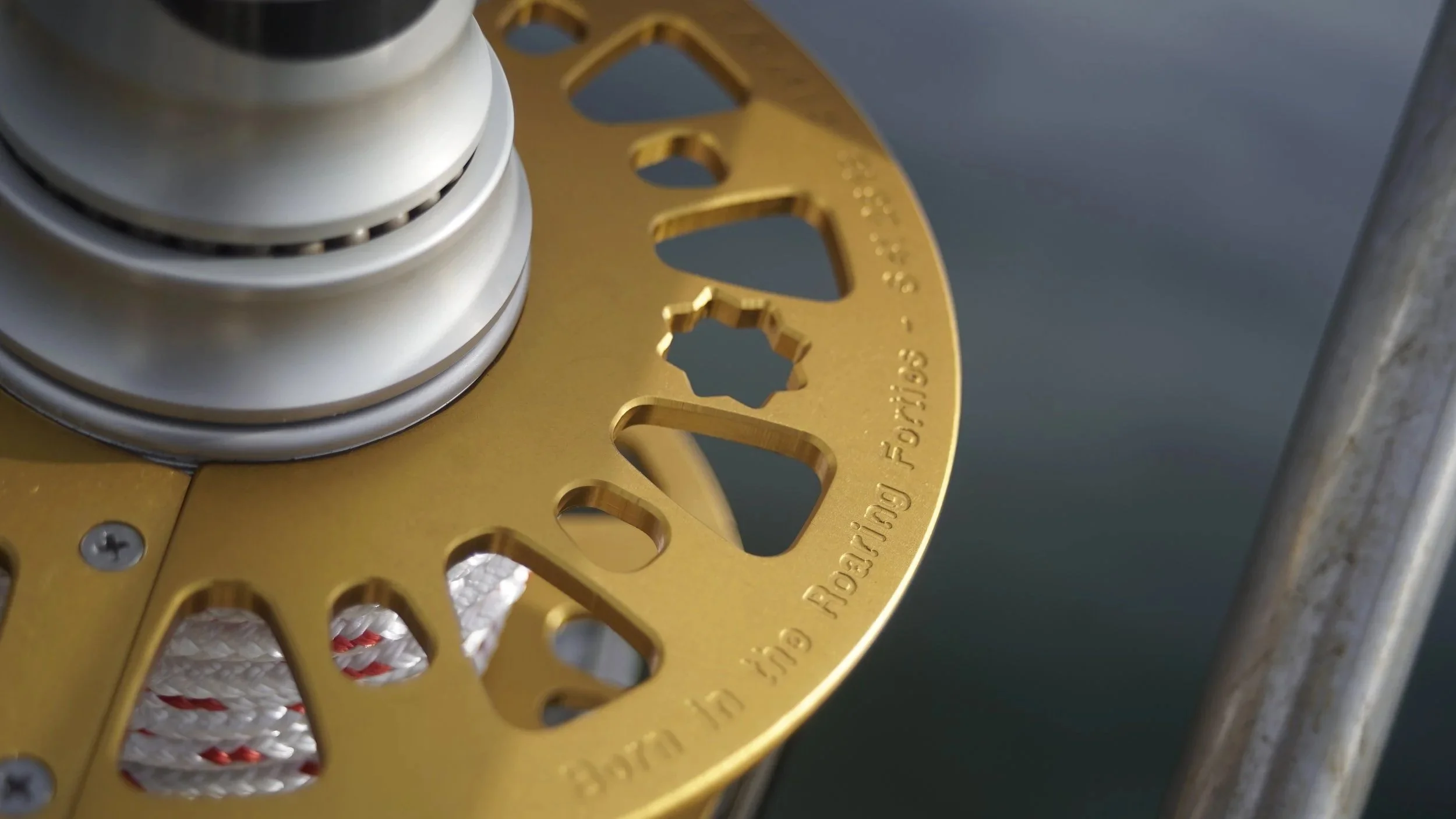
Headsail Furler
Sizing Guide & Selection Tool
How to Choose the Right Yacht Furling System
Matching your yacht to the correct headsail furler depends on your specific rigging dimensions, wire load limits, and cruising style.
Use our Quick Reference Chart below for an instant, at-a-glance guide to how our Australian-made models line up with standard rig dimensions and boat lengths.
To confirm the exact model for your vessel and go directly to its product page, use our Interactive Selector Tool below. Simply enter your rigging details, and the tool will instantly point you to the correct system so you can secure your unit from our upcoming production release.
Please note that the measurements below have been rounded off to the nearest whole number.
| Reefit Model | Clevis Pin Size | Stay Wire Size | Typical Boat Length | Foil Pack Lengths | Typical Sail Area |
|---|---|---|---|---|---|
| Tasman 110 | 11 mm(7/16") | 6 mm(1/4") | 7.5m – 9.5m(24.6ft – 31.2ft) | 8m, 10m, 12m, 14m(26' – 46') | 25 – 40 m²(269 – 430 ft²) |
| Tasman 120 | 12.7 mm(1/2") | 6 mm, 7mm, 8 mm(1/4", 9/32", 5/16") | 9m – 11m(29ft – 36ft) | 10m, 12m, 14m, 16m, 18m, 20m(32' – 65') | 25 – 40 m²(269 – 430 ft²) |
| Tasman 140 | 14 mm(9/16") | 8 mm(5/16") | 10m – 12.0m(33ft – 39ft) | 10m, 12m, 14m, 16m, 18m, 20m(32' – 65') | 35 – 60 m²(376 – 645 ft²) |
| Tasman 160 | 16 mm(5/8") | 8 mm(5/16") | 11m – 13m(36ft – 42ft) | 10m, 12m, 14m, 16m, 18m, 20m(32' – 65') | 35 – 60 m²(376 – 645 ft²) |
| Furneaux 160 | 16 mm(5/8") | 10 mm(3/8") | 12.0m – 14m(39ft – 46ft) | 10m, 12m, 14m, 16m, 18m, 20m, 22m(32' – 72') | 50 – 75 m²(538 – 807 ft²) |
| Schouten 190 | 19 mm(3/4") | 12 mm(7/16") | 13.0m – 15.5m(42ft – 50ft) | 10m, 12m, 14m, 16m, 18m, 20m, 22m(32' – 72') | 55 – 90 m²(592 – 968 ft²) |
| Maatsuyker 220 | 22 mm(7/8") | 12 mm, 14 mm(1/2", 9/16") | 14.50m – 18.5m(47ft – 60ft) | 12m, 14m, 16m, 18m, 20m, 22m, 24m(39' – 78') | 70 – 140 m²(753 – 1506 ft²) |
Choosing the Right Reefit Furler
A sensible process to get it right
Headsail furlers are not a one‑size‑fits‑all product. Correct selection requires consideration of rig geometry, forestay specification, and the loads generated under sail.
With multiple components—including foils, joiners, connectors, bearings, and structural elements—each system must be matched carefully to the yacht to ensure reliable operation and long service life.
At its core, headsail furler selection is about managing load. Forestay length and diameter, pin size, sail area, and intended use all influence how loads are transferred through the system. An undersized unit may operate initially but suffer premature wear, deformation, or failure under sustained load. Conversely, an appropriately specified system will maintain smooth operation and structural integrity over time.
Each Reefit furling system is supplied as a complete assembly, with components engineered to work together under load and in harsh marine environments. Correct configuration ensures proper alignment, bearing performance, and even load distribution along the foil sections.
Our primary sizing reference point is the forestay pin size and forestay length, as it provides a reliable indication of the rig’s load capacity. From there, other factors—such as vessel size, sail plan, and usage profile—are considered to confirm the correct system selection.
The process below outlines how we recommend approaching this decision.
-
Reefit furlers are supplied as complete systems, with all major components engineered to work together under load.
This includes foil sections, connectors, bearings, drum and swivel assemblies, and associated fittings. Each element is designed as part of an integrated system, ensuring correct alignment, consistent load transfer, and reliable long-term operation.
This system-based approach avoids the compromises that can occur when components are selected or assembled in isolation.
-
Reefit systems are designed not only by what is included, but also by what has been deliberately removed.
Features that introduce unnecessary complexity, ongoing servicing, or known failure points are avoided. This includes grease-dependent systems, small fasteners prone to seizure, and components that are difficult to service or replace.
The result is a mechanically straightforward system, focused on long-term reliability and ease of ownership.
-
Reefit systems are designed to simplify installation and setup for both professional riggers and experienced owners.
Clear configuration, straightforward assembly, and adaptable components reduce installation time and ensure the system is correctly set up from the outset.
This practical approach supports reliable operation and simplifies future servicing.
-
Reefit systems are designed for long service life, with materials, structural design, and component integration focused on durability rather than short-term cost savings.
With appropriate selection and installation, systems are expected to remain in service for decades, supported by a 10-year warranty and ongoing parts availability.
This long-term approach ensures consistent performance and reduces the need for replacement or major servicing over time.
Step 1 — Understand Your Boat and How It’s Used
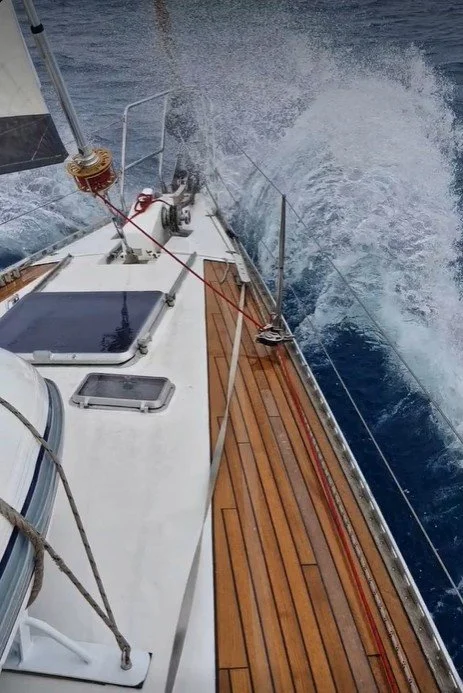
Boat length alone doesn’t tell the full story. Two boats of the same length can place very different loads on a furling system. Before choosing a Reefit furler, take the time to understand:
Boat length and displacement
Rig type and mast height
Forestay size and construction
Typical sailing conditions
How the boat is actually used (coastal, offshore, short‑handed, extended cruising)
Being honest about how the boat is sailed helps ensure the system is properly matched to real working loads, not just brochure specifications.
Step 2 — Get Advice from a Rigger or Sailmaker
This step is strongly recommended.
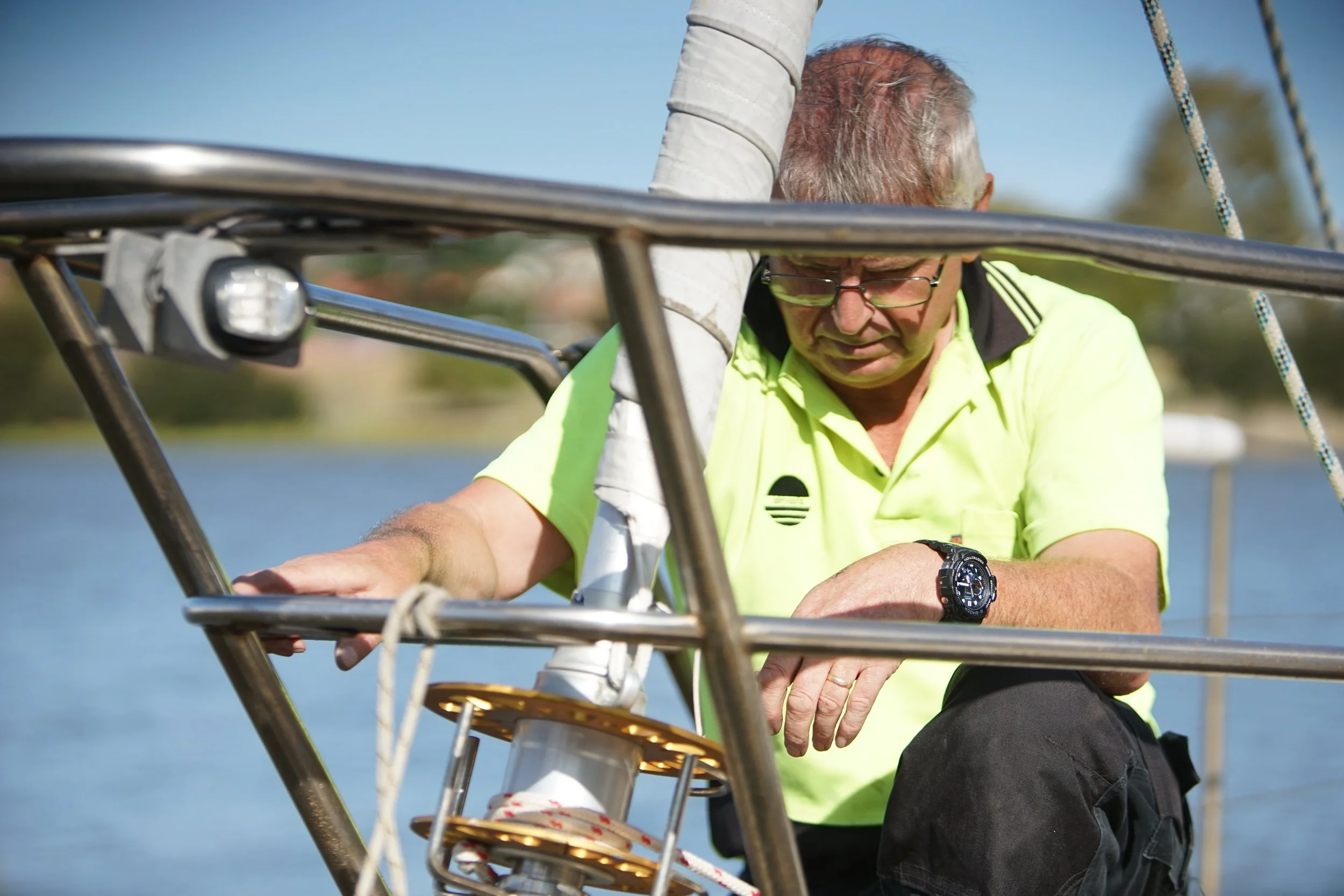
A qualified rigger or sailmaker brings practical experience that’s hard to replace. They can:
Confirm rig suitability
Take accurate measurements
Check load paths and clearances
Advise you on sail compatibility
Install the system correctly
They also understand how furlers interact with sails, halyards, and rig tuning — things that aren’t always obvious from specifications alone. Involving a professional early often saves time, cost, and frustration later.

Step 3 — Assess Your Rig, Forestay & Measure
A furling system is only as good as the rig it’s attached to.
Before selecting a system, the existing forestay and rig setup should be assessed. This includes:
Condition, age of the forestay, and size of the forestay pin
Forestay length and termination type
Clearance at the stem fitting and mast
Alignment of the stay under load
In some cases, replacing or upgrading the forestay is part of doing the job properly. This isn’t a downside — it’s good practice and helps ensure long‑term reliability.
Step 4 — Match the Correct Reefit System
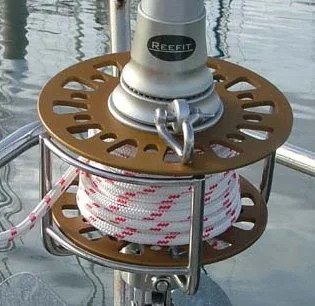
Once the boat and rig have been properly assessed, the correct Reefit system can be selected based on:
Load requirements
Forestay & Clevis Pin size
Boat size and displacement
Intended sailing conditions
Reefit systems are designed as complete control systems, not just hardware. Installing the right system, correctly, delivers smooth operation, long service life, and reliable support over time.
If there’s any uncertainty, ask — it’s always better to confirm than guess.